Feb 3, 2026
The Roadmap Is Not the Territory - When Product Vision Meets Customer Reality
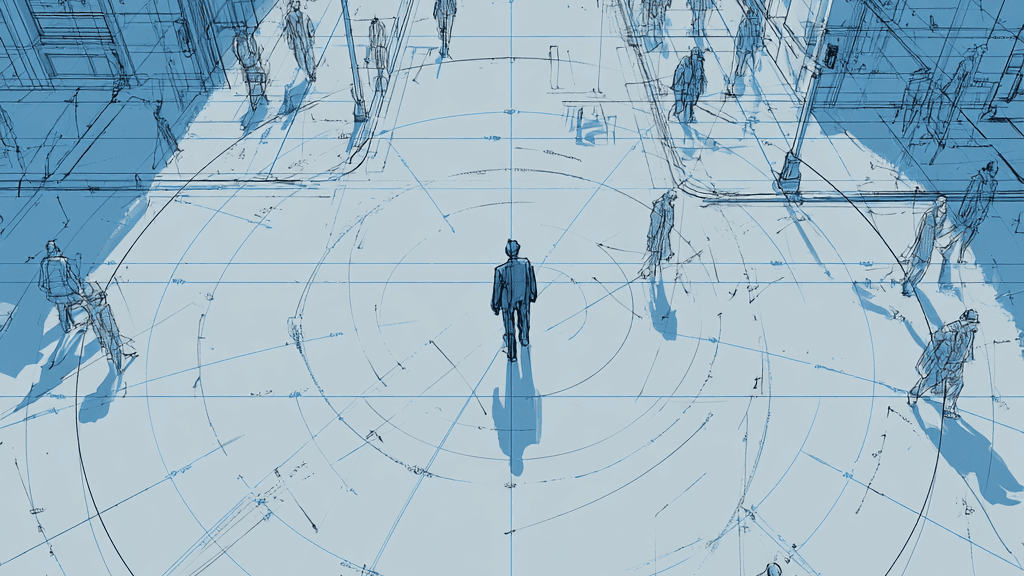
In SaaS, the way product teams expect customers to use a product often differs from how customers actually behave. In the AI era, this gap between the map and the territory is growing—and Customer Success teams are the ones seeing it first.
“The map is not the territory.”
Easy to say. Hard to live.
Especially in SaaS.
Because what Product, Marketing, or a visionary leader believes is the right way to use the product - the map - is often very different from how customers actually behave - the territory.
In the AI era, that gap isn’t just common. It’s growing.
And most product teams are discovering it far too late.
The pattern that keeps repeating
In a recent podcast conversation with Lincoln Murphy, we kept circling the same tension.
Product decisions are hard. Roadmaps are constrained. And despite all the talk about being customer-centric, maybe 5% of feature requests ever make it into the product.
That alone should tell us something.
The map is selective by design. The territory is not.
Customers don’t show up with clean, strategic input. They show up with habits, expectations, frustrations, and borrowed mental models from other tools.
“This isn’t how the other product did it.” “Where’s the blue button?” “This feels off.”
That’s not product feedback. That’s customers trying to navigate new terrain with an old map.
Why AI makes this problem impossible to ignore
Before AI, this gap was survivable.
With AI, it’s existential.
AI doesn’t just introduce new features. It reshapes workflows, trust, and control.
What looks elegant in a roadmap can feel unpredictable in practice.
In customer conversations, this shows up fast:
“It’s faster, but I still double-check everything.”
“I don’t know when to trust the AI.”
“I’m not sure what it’s doing behind the scenes.”
None of this arrives as a support ticket.
But it’s exactly where AI adoption stalls.
The map assumes rational behavior. The territory is emotional, political, and constrained by reality.
CS is standing in the territory every day
This was one of the clearest insights from the conversation.
The most valuable product input often doesn’t come from explicit customer requests at all.
It comes from experienced CS leaders who deeply understand:
the customer’s goal,
how the product is supposed to work,
and how it’s actually being used.
They notice:
where users hesitate,
where they workaround,
where value almost happens - but doesn’t.
This inferred insight is far more valuable than raw feedback.
Especially in AI products, where trust and predictability matter more than feature depth.
CS isn’t passing messages. CS is interpreting reality.
Where companies go wrong
The failure mode isn’t that Product ignores CS.
It’s that CS insight is treated as anecdotal noise instead of pattern data.
So Product keeps refining the map. Marketing keeps telling a cleaner story. AI keeps getting “better”.
Meanwhile, customers quietly adapt the product to fit their world.
Until churn explains the difference.
What strong teams do differently
From what I see across SaaS leaders and Impact Academy sessions, the best teams accept three truths:
1. The map is always wrong. Not useless. Just incomplete. The roadmap is a hypothesis, not the truth.
2. CS insight is discovery, not input. Patterns across customers matter more than individual requests.
3. Product needs to observe, not just ship. Watching real users navigate real workflows changes decisions faster than dashboards ever will.
This is how AI becomes a growth engine instead of a demo feature.
The leadership question
If you lead Product, CS, or the company, ask yourself this:
Who shapes our roadmap more - the people who designed the map, or the people who walk the territory every day?
In the AI era, speed doesn’t come from shipping faster.
It comes from learning faster.
And learning only happens in the territory.