Feb 17, 2026
Do You Want More Customer Meetings or Less? - Probably Both.
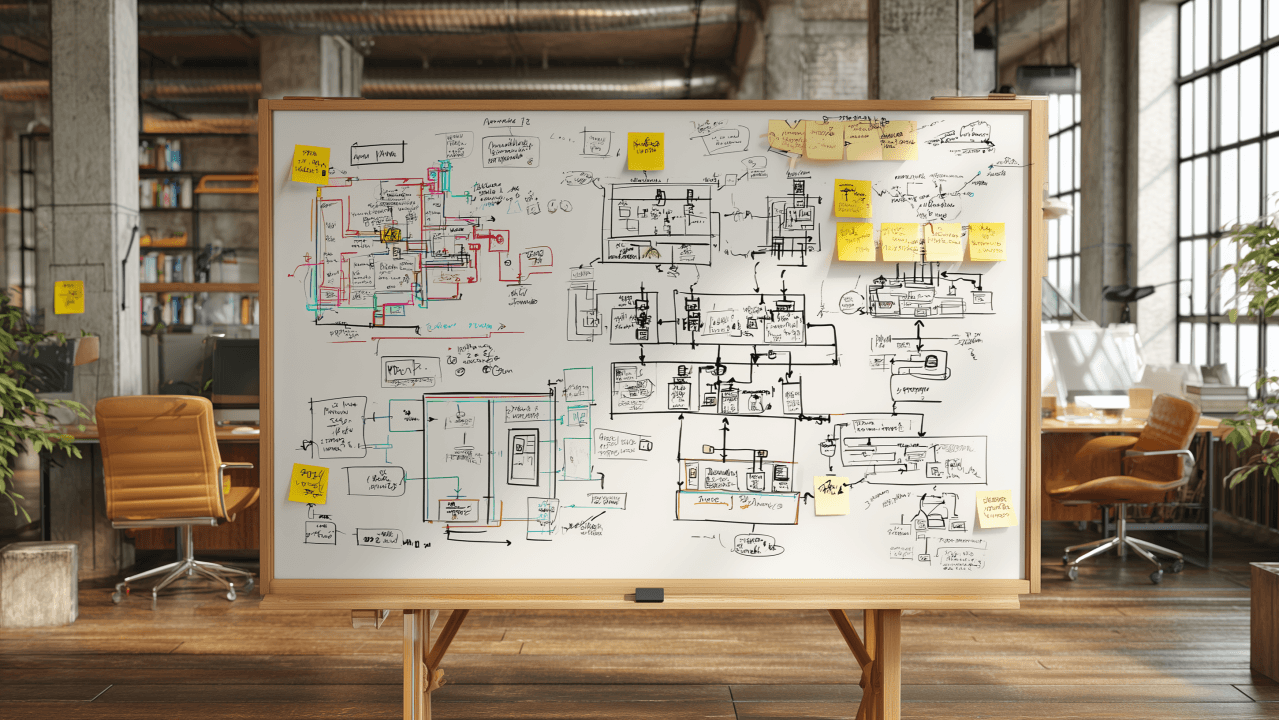
AI is changing the role of customer meetings. As automation handles information sharing and preparation, SaaS teams should reduce operational check-ins while upgrading strategic conversations that build trust, align on outcomes, and drive real change.
A simple leadership question:
Do you want your team to have more customer meetings next year?
Or fewer?
Most executives hesitate.
Because the honest answer is - both.
And that tension is exactly where the AI era is pushing us.
Why Do Meetings Exist at All?
Before we talk about efficiency, we need to remember something basic.
Why do we have meetings with customers in the first place?
You could send an email. Share a dashboard. Record a Loom. Let AI generate a summary.
Yet we still block 30, 60, sometimes 120 minutes in the calendar.
Why?
Because meetings do something unique.
They create:
Focus
Real-time dialogue
Emotional context
Trust
Decision pressure
When you put a meeting on the calendar, you create a forcing function.
You pause the chaos.
You get access to what is really going on.
Not just what is written in your system.
That is why a single great workshop can:
Turn around an at risk and drifting customer
Unlock expansion
Rebuild executive alignment
Reset expectations
Anyone who has worked in SaaS has seen it.
One sharp conversation can change the trajectory of the partnership.
Where Meetings Lost Their Power
But we diluted this.
Over time, meetings became:
Status updates
Playbook check-ins
Ritual QBRs
Project coordination
The meeting itself became the output.
Full calendars became a badge of honor.
And we forgot the original purpose:
Drive positive change with the customer.
Not review information.
Not tick boxes.
Change.
Enter AI - The Great Filter
Now AI removes the excuse.
AI can:
Summarize adoption trends
Highlight risk signals
Aggregate every past conversation
Surface blockers from support tickets and bugs
Map stakeholder changes
Suggest next steps
Preparation becomes easier than ever.
Coordination becomes automatable.
So here is what happens.
You should want fewer meetings that exist to transfer information.
Because AI handles that better.
But you should want more meetings that create transformation.
Human to human conversations do what automation never will.
They build trust through nuance.
They challenge assumptions in real time.
They read hesitation behind the words.
They create emotional commitment - not just intellectual agreement.
The Split Is Strategic
In the AI era, meetings separate into two categories.
1. Operational Meetings - Reduce
If it is status, tracking, updates, remove it.
Hyper Efficient.
2. Strategic Meetings - Upgrade
Workshops. Executive alignment. Turnaround sessions. Expansion conversations.
Moments where you:
Sell a new direction
Reframe the problem
Align on outcomes
Drive decisions
Hyper Customer Centric.
Most companies will only do the first half.
The best will redesign the second.
The Stakes Are Rising
Here is the uncomfortable part.
When AI gives you perfect context, the expectation rises.
Customers assume you know:
Their adoption in detail
Their blockers
Their business direction
Their stakeholder landscape
Everything discussed previously
Preparation becomes table stakes.
The differentiator becomes the human in the room.
The ability to:
Facilitate real dialogue
Build psychological safety
Challenge respectfully
Sell the idea of partnership
Move from conversation to commitment
This is no longer coordination.
This is commercial leadership.
In real time.